Forensic Science Level 3 QLS Course
Enrol Anytime | Enrolment Fee £389
If you have ever wondered how investigators crack complex cases, this Level 3 Forensic Science course pulls back the curtain. We cover the basics of fingerprinting, DNA analysis, and securing a crime scene, giving you a solid overview of the forensic process. By studying at home, you can dive into this gripping subject at your own speed, building a great foundation for further legal or scientific study.
Why Study Forensic Science Level 3 QLS Course?
In this Distance Learning Forensic Science Level 3 course we will examine the fascinating subject of Forensic Science, which can be simply defined as the application of science to the law.
In criminal cases forensic scientists are often involved in the search for, and examination of, physical traces which may be useful for establishing or excluding an association between someone suspected of committing a crime and the scene of the crime or the victim. Such traces commonly include blood and any other body fluids, hairs, textile fibres from clothing etc., materials used in buildings such as paint and glass, footwear, tool and tyre marks, flammable substances used to start fires and so on.
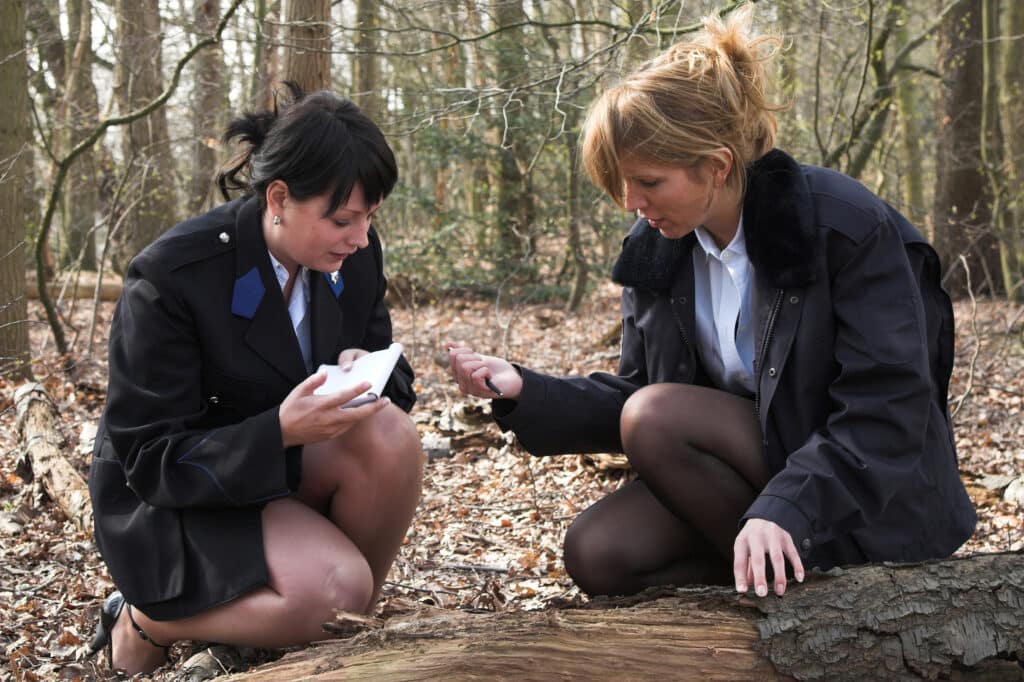
Sometimes scientists will have to visit the scene itself to advise about likely sequence of events, any indicators as to who the perpetrator might be, and to join in the initial search for evidence. Other forensic scientists analyse suspected drugs of abuse, specimens from people thought to have taken them or to have been driving after drinking too much alcohol, or to have been poisoned. Yet others may specialise in firearms, explosives, or documents whose authenticity is in question.
In civil cases forensic scientists may become involved in some of the same sorts of examinations and analyses but directed to resolving any disputes as to, for example, the cause of a fire or a road accident for which damages are being claimed.
Forensic scientists can appear for either side – the prosecution or the defence in criminal matters, and plaintiff or defendant in civil ones. They tend to present their findings and opinions in written form either as formal statements of evidence or reports. Sometimes they are required to attend court to give their evidence in person. However, the evidence is produced and whether supporting the case for the prosecution or the defence, the evidence collected and presented by forensic scientists is subject to the rules of evidence and provisions of the Police and Criminal Evidence Act 1984. For this reason the importance of the continuity of the chain of evidence will be stressed throughout this course..
Enrol Anytime | Enrolment Fee £389

Course Content
Module 1: Human remains: The scientific approach to a crime scene
- Locard’s Exchange Principle within the context of Elizabeth’s crime scene
- Importance of protecting the crime scene
- Tracing evidence to establish cause and time of death
- Approaches that could be used in establishing time of death
Module 2: Psychological approach to a crime scene
- Psychological theories to gain offender characteristics from a crime scene
- Profiling approaches including; Routine Activity Theory, statistics
- Evaluating theories
- Applying theories to cases: kidnap, murder, arson or sniper
Module 3: Victimology: The Silent Witness
- Defining victimology
- Victimology’s contribution to crime scene analysis from a forensic victimologist perspective
- Theories of victimology
- Victim precipitation
- Routine activity theory
- Stockholm syndrome
- Munchausen syndrome by proxy
- Creating a hypothetical profile
Module 4: The language of the psychopath: identifying; interviewing and interrogating suspects
- Characteristics of the psychopath
- Highlighting characteristics using Hare’s PCL-R
- Gender differences in characteristics and criminal behaviour
- Difficulty in interrogating and obtaining a confession from an identified psychopath
Module 5: Treatment of psychopathic disorders in prison
- Outlining prisoners’ rights to mental healthcare
- Mental Health Act 1983 and the changes in 2007
- The directive from the Department of Health, 2014
- Biological treatments for prisoners diagnosed with mental health issues
- Psychological treatments for prisoners diagnosed with mental health issues
- Treating criminals with severe mental disorders effectively
Module 6: The science of killing: the debate on capital punishment
Difference between the retributional and reformative approach to punishment Theories Statistical evidence Moral and ethical issues of bringing back capital punishment in the UK
You must successfully complete a series of assessments. Once all assessments and activities have been completed and you have met the required outcomes, you will then be awarded your certificate. The good news is, there is no final exam.
Course Outcome
At the end of this course successful learners will receive a Certificate of Achievement from the Quality License Scheme and a Learner Unit Summary (which lists the components the learner has completed as part of the course).
The Quality Licence Scheme, endorses high-quality, non-regulated provision and training programmes. This course and/or training programme has been endorsed by the Quality Licence Scheme for its high-quality, non-regulated provision and training programmes. This course and/or training programme is not regulated by Ofqual and is not an accredited qualification. Your training provider will be able to advise you on any further recognition, for example progression routes into further and/or higher education. For further information please visit the Learner FAQs on the Quality Licence Scheme website.
Will I need to pay anything else?
You will have no other fees to pay with this course. The course enrolment fee includes access to support, course materials, certification and registration with the awarding body.
Request More Information about Forensic Science Level 3 QLS Course
FAQs
How can I make payment for the enrolment fee?
You can enrol online right now by Card or PayPal (Visa, Mastercard, Maestro and American Express). Alternatively, we also accept BACS transfer or we can send you a payment link.
Is this course online?
If we have given you the option of “online” or “paper” at the top of the page next to the enrolment fee, you will be able to choose one or the other. If no option is available, it means that the course offered is online only.
Do I have to be available at specific times during the day?
With our courses, we have learners from all over the world enrolled. Therefore, if we restricted your learning to certain times, not everyone would be available. All our courses are accessible 24/7 via our online secure portal. Any videos on your portal would be pre-recorded meaning you can work through your course at your own pace.
What if I need longer to complete the course?
We understand that circumstances change and sometimes things can take a little longer. If you go over the course period then talk to us. We can normally extend your support for a small additional fee.
What support do you offer with your courses?
You will have access to a dedicated personal tutor who will be there to help you through your assignments.
Will I need to pay anything else?
You will have no other fees to pay with this course. The course enrolment fee includes access to support, course materials, certification and registration with the awarding body.
What if I still have questions?
Please feel free to contact us by telephone or email with any further queries.
What can you do with Forensic Science Level 3?
In order to become a Forensic Scientist you would need to progress onto a degree in either forensic science or another science based subject.
You could also start as a forensics lab support assistant.
<< Back to Science courses.